Choosing a Rechargeable Head Torch in 2026 is not simply a brightness contest. A powerful beam can still disappoint on a wet trail, inside a cramped tent, or during a cold morning repair.
Outdoor gear expert Andrew Skurka has often emphasized, “Reliable gear should be simple, durable, and easy to use when conditions become difficult.” That principle suits headlamps well. A dependable Rechargeable Head Torch should offer clear controls, steady output, and a battery indicator you can trust. It should not force you to open an app while wearing gloves.
Look beyond the advertised lumens. Check the beam pattern, runtime, charging port, water resistance, and battery replacement options. A narrow beam helps with distance. A wider beam is better for cooking, climbing, or checking a map. Some models promise ten hours of light, but only at their lowest setting. That detail matters.
Cold weather can reduce battery performance. So can repeated high-output use. USB-C charging is convenient, yet a proprietary battery may be harder to replace on a long trip. Small choices become important.
Try the controls before buying. Wear the torch for twenty minutes. Notice pressure points around your forehead. Check whether the lamp tilts smoothly and stays stable while walking.
No checklist is perfect. I would still question impressive laboratory figures without independent testing. A lighter model may feel better, but its smaller battery could create anxiety after sunset. The best choice balances brightness, comfort, durability, charging convenience, and realistic use. In 2026, that balance matters more than a dramatic number printed on the box.
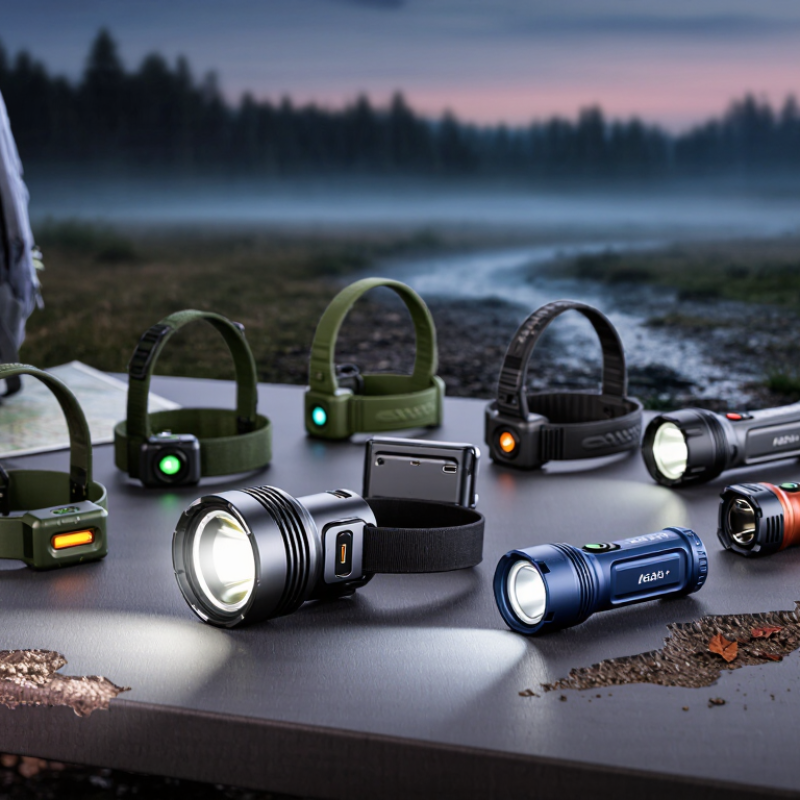
A rechargeable head torch is a hands-free light worn around the forehead. It uses an internal lithium-ion battery, an LED, and a small control circuit. When you press the switch, the circuit sends regulated power to the LED. This keeps brightness more stable than a simple direct connection.
Charging usually happens through a USB-C port. A charging controller manages current and helps prevent overcharging. The battery stores energy, while the circuit controls different modes, such as low, medium, high, and flashing. Some models also include a red light for preserving night vision. In practical use, brightness is only part of the story. Beam distance, heat control, comfort, and battery runtime matter just as much. A claimed runtime may use the lowest setting, so check testing conditions carefully. I once trusted a bright specification and ignored strap comfort. That was a mistake during a long evening walk.
Tips: Choose a head torch with a secure, washable strap and a battery indicator. Check its water-resistance rating if rain is likely. Compare regulated runtime, not only maximum lumens. USB-C is convenient, but inspect the port cover for a reliable seal. Keep the battery away from extreme heat, and stop using it if swelling or unusual heat appears. A lighter model may feel better, though its smaller battery can require more frequent charging. Test the controls with gloves before relying on it outdoors.
A rechargeable head torch uses a built-in lithium-ion battery to power an LED. The battery is charged through a USB port, while an electronic driver regulates current and controls brightness. Higher brightness produces more light but normally reduces operating time.
The chart shows representative continuous runtimes for common lighting modes using a rechargeable head torch with a battery capacity of approximately 1,000 mAh. Actual runtime varies with battery condition, temperature, LED efficiency, and operating mode.
Brightness should match the task, not impress you on a product page. For reading, repairs, or cooking outdoors, 100–300 lumens usually feels comfortable. A narrow trail may need 300–600 lumens, while technical terrain can justify more. Higher output also creates heat and drains batteries faster. The U.S. Department of Energy’s 2023 Solid-State Lighting R&D Opportunities report identifies thermal control and optical efficiency as continuing lighting priorities. That matters on your forehead.
Beam type changes what your eyes can use. A flood beam spreads light across a tent, map, or workbench. A focused spot reaches farther along a path but can hide nearby obstacles. A mixed beam is often the practical compromise. I prefer a wide center with gentle peripheral light. Pure spot beams look powerful, yet they can feel tiring during uneven walks. I still overestimate brightness sometimes.
Lighting modes should be simple enough to operate with cold fingers. Choose low, medium, high, and a red mode if preserving night vision matters. A lockout mode can prevent accidental activation inside a backpack. Compare runtime using ANSI/PLATO FL 1-2019 measurements, which track output until it falls to 10 percent of the initial level. Claimed runtime may therefore feel optimistic. Check charging time, battery replacement options, and performance near freezing temperatures. A 400-lumen setting that lasts one hour may be less useful than 180 lumens lasting six.
Battery capacity is often listed in milliamp-hours, or mAh. A larger number does not always mean longer use. Voltage, LED efficiency, and brightness settings also affect performance. I compare capacity with watt-hours when possible, because this offers a fairer measurement between different battery systems. A 2,000 mAh battery may perform differently from another battery with the same rating.
Runtime claims need careful reading. Manufacturers usually test the lowest setting in controlled conditions. Real outdoor use includes cold air, head movement, battery age, and brighter modes. I check runtime at the brightness I actually need, such as a steady beam for walking or a stronger beam for route finding. A useful test is simple: charge the torch fully, select one setting, and record when the light becomes noticeably weak. My first test was imperfect because I forgot to note the temperature.
Charging options affect convenience and reliability. USB-C charging is practical for travel, cars, and power banks, while a removable battery can be useful during long trips. Check charging time, indicator accuracy, and whether the torch can operate safely while charging. A charge indicator with only three levels may be vague. I prefer clear low-battery warnings. Small details matter. Also inspect the charging port cover, especially if rain and dust are likely. A high-capacity battery is helpful, but predictable runtime and dependable charging usually matter more in real conditions.
A comfortable head torch should disappear on your forehead after several minutes. Wide, soft straps usually spread pressure better than narrow elastic bands. Check whether the lamp angle adjusts smoothly with one hand. A stiff hinge becomes annoying when you are wearing gloves. I prefer a balanced body, because front-heavy designs slowly pull the strap down. Still, comfort depends on head shape, hair, and hat thickness. What feels secure indoors may slip during a cold, sweaty climb.
Fit also affects safety. The strap should hold firmly without leaving deep marks. Test the torch while walking, bending, and looking down. The beam should remain stable, not bounce across the ground. For durability, inspect the charging port cover, buttons, hinge, and cable connection. These small parts often fail before the main light. A strong outer shell helps, but rough handling can still damage it. I have dropped lights before, and “shock resistant” never means careless-proof.
Tips: Choose a clear weather-resistance rating, such as IPX4 or higher for frequent rain. Higher protection is useful, but it does not excuse poor charging-port care. Dry the torch before charging it. Cold weather can reduce battery runtime, sometimes noticeably. Keep a small backup light for long trips. Rechargeable convenience is excellent, though I still forget to charge mine occasionally. Test the real runtime at your preferred brightness, not only the advertised maximum.
2026 How to Choose a Rechargeable Head Torch?
Which Safety Features and Maintenance Practices Matter Most?
A safe head torch should offer more than impressive brightness. Look for several steady output levels, a secure strap, and a clear battery indicator. A lockout mode prevents accidental activation inside a backpack. That matters.
Red light can protect night vision around campsites or roadside work areas. Thermal protection should reduce output when the housing becomes dangerously hot. Choose a model with water resistance suited to your environment, not merely attractive marketing language. The beam should illuminate nearby ground without blinding people approaching you. Test it before relying on it.
Maintenance is simple, but easy to neglect. After muddy use, wipe the housing with a damp cloth and dry the charging port completely. Inspect the strap, lens, buttons, and cable for damage. Do not charge a swollen or unusually hot battery. Store the torch partly charged in a cool, dry place. Avoid leaving it in a closed car during summer.
I once trusted a fading battery indicator and walked farther than planned. It was an avoidable mistake. Now I test runtime at home, using the same brightness needed outdoors. Keep a small backup light when conditions are remote. Even careful users misjudge battery life in cold weather. That uncertainty deserves respect.