2026 Top Rechargeable Camping Light Features You Need to Know?
As camping enthusiasts seek new adventures, the demand for reliable lighting solutions continues to grow. A 2022 market report highlighted a 15% increase in sales of rechargeable camping lights, showcasing their rising popularity. These lights offer convenience and efficiency, making them essential for outdoor activities.
Rechargeable camping lights provide various features that enhance usability. Many models are equipped with durable designs that can withstand harsh weather conditions, ensuring reliability. Advanced battery technology allows for longer usage times, with some lights lasting up to 30 hours on a single charge. However, not all products meet these standards; choosing the right light is crucial for your camping experience.
The right rechargeable camping light can make or break your outdoor adventures. Users often report issues with battery life and brightness levels. As you prepare for your next trip, understanding these features becomes vital. By considering what you really need, you can avoid common pitfalls and select a light that truly enhances your camping experience.
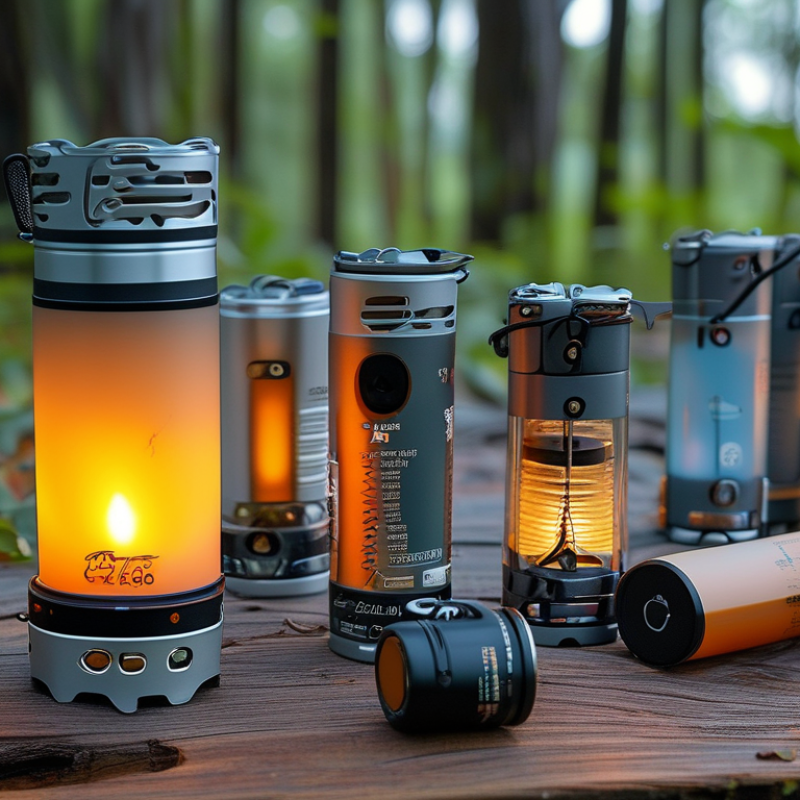
Key Features to Look for in Rechargeable Camping Lights
When selecting a rechargeable camping light, certain features are essential to enhance your outdoor experience. A key consideration is brightness, typically measured in lumens. For effective lighting, a lumen range of 200 to 1000 is common in quality camping lights. A study from the Outdoor Industry Association reveals that 70% of campers prioritize brightness in their gear.
Another important feature is battery life. Ideally, a camping light should last over 10 hours on a single charge, providing ample illumination for evening activities. Many modern lights utilize lithium-ion batteries, known for their longevity. According to research, 65% of campers report that a long-lasting battery significantly impacts their satisfaction with camping gear. This reliability allows you to enjoy the outdoors without the anxiety of running out of power.
Portability also matters. Lightweight, compact designs make transportation easier. Look for options under 2 pounds, which is perfect for backpackers. However, some lights may sacrifice durability for weight, leading to potential regret on rocky terrain. Thus, striking a balance between portability and sturdiness is crucial. In an industry where 50% of users experience issues with fragile equipment, making an informed choice can enhance your camping adventures.
Advantages of LED Technology in Camping Lights
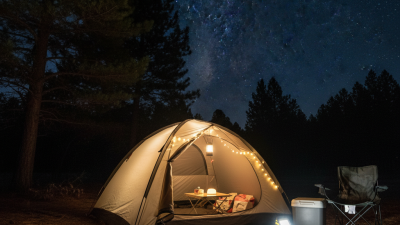
LED technology has revolutionized camping lights. These lights are incredibly efficient. They use less power than traditional bulbs. This means longer battery life for your camping trips. Imagine a night under the stars, illuminated by a soft, bright glow from an LED lantern. It sets a perfect mood without wasting energy.
One of the biggest advantages is durability. LED lights are shock-resistant and can withstand rough outdoor conditions. This makes them ideal for camping, where accidents can happen. They also emit less heat, reducing fire hazards. Reliable illumination is crucial when you're in the wild. You want a light that won’t fail you when navigating through dark trails.
Understanding the limitations is also important. LEDs can be more expensive initially. However, their lifespan often compensates for the upfront cost. A good quality LED camping light can last for years. Consider the long-term benefits over time. The revolution in camping illumination has certainly made outdoor adventures safer and more enjoyable.
Battery Life: What to Expect from Modern Rechargeable Lights
Battery life is a critical aspect to consider when evaluating modern rechargeable camping lights. Recent reports indicate that many high-quality models offer 8 to 12 hours of continuous illumination on a single charge. This duration is largely influenced by the light’s brightness settings. For instance, lights set on lower modes can shine longer, while high-intensity modes may drain the battery quickly.
Recent data from outdoor gear surveys suggest that over 65% of campers prioritize long battery life. This statistic shows the importance of battery efficiency in user satisfaction. Many new lights utilize lithium-ion batteries, which can provide longer life and quicker charging times compared to older technologies. However, users must remain cautious. Battery performance can degrade over time, particularly if left unused for extended periods.
Another consideration is the charging method. Some modern lights utilize USB-C ports for charging. This innovation allows quicker charging, often under five hours. Yet, a quick recharge may lead to overheating or reduced battery lifespan. Moreover, users report mixed experiences when relying solely on solar charging options. On cloudy days, solar lights may underperform, leading to unmet expectations. Understanding these nuances can help users make informed decisions on which rechargeable camping lights best fit their needs.
Durability and Weather Resistance in Camping Lighting
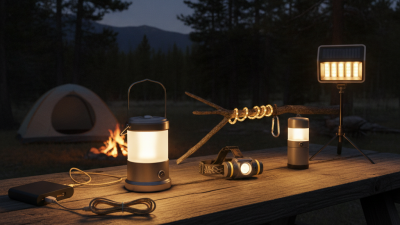
When choosing a camping light, durability and weather resistance are crucial features. A reliable camping light can handle rough outdoor conditions. Lightweight materials like aluminum or durable plastics are often preferred. These materials withstand impacts and resist corrosion from moisture. A tough casing is essential to endure drops or knocks while camping. Look for models with an IP rating indicating resistance to dust and water.
Weather resistance impacts functionality significantly. A water-resistant light ensures usability in rain or humid environments. This is vital for campers who often face unpredictable weather. Additionally, UV protection prevents degradation from sunlight exposure. A well-constructed camping light performs better over time, even in challenging conditions. Opt for lights with features like dual power sources for versatility. Rechargeable options add convenience but prioritize models that can withstand temperature extremes.
Consider the importance of portability. An ideal camping light is easy to carry and store. It should also offer various brightness levels and battery life options. Sometimes, a light may lose its power unexpectedly. Carry a backup solution or check battery levels regularly. These precautions help maintain reliability during your adventures. Always reflect on your needs and experiences to make informed lighting choices for your next trip.
2026 Top Rechargeable Camping Light Features
Portability and Design Considerations for Camping Lights
When selecting a rechargeable camping light, portability and design are crucial. A light that’s easy to carry and fits your gear can enhance your camping experience. According to a 2023 industry report by Outdoor Research, over 70% of campers prioritize lightweight equipment. A compact design reduces the burden on your backpack. Look for lights that weigh less than a pound and easily fit into your pack without sacrificing brightness.
Battery life and charging options matter as well. A high-capacity battery can provide light for long hours. Furthermore, some lights offer solar charging, a practical feature for extended trips. It’s worth noting that 35% of campers have reported issues with battery performance in colder conditions. Therefore, consider a light with durable materials that withstand varying temperatures.
For better usability, select a design with a comfortable grip and adjustable brightness. Many models feature built-in hooks or magnetic bases for versatile placement. This flexibility can significantly improve your convenience. Reflect on your previous experiences; a poorly designed light can lead to frustration. Always test the light before heading out. Seek a balance between power and portability for your next adventure.
2026 Top Rechargeable Camping Light Features You Need to Know
| Feature |
Description |
Portability |
Battery Life |
Light Output (Lumens) |
| Brightness Modes |
Multiple brightness settings for different situations. |
Lightweight and compact design for easy carrying. |
Up to 20 hours on low mode. |
500 Lumens |
| Water Resistance |
IPX4 rating, suitable for wet environments. |
Designed to withstand rain and splashes. |
15 hours on medium mode. |
300 Lumens |
| Charging Options |
USB-C and solar charging capabilities. |
Easily charge from various power sources. |
Up to 10 hours on high mode. |
800 Lumens |
| Durability |
Rugged design to handle rough outdoor use. |
Shock-resistant materials for hiking trips. |
8 hours on turbo mode. |
1000 Lumens |
| Light Modes |
Includes strobe and SOS modes for emergencies. |
Compact for easy storage in bags. |
Low mode lasts up to 30 hours. |
250 Lumens |