Top 10 Emergency Work Lights for Global Buyers?

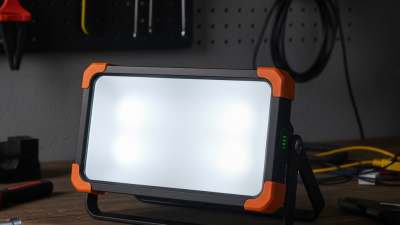
Choosing the right Emergency Work Light can influence safety, speed, and decision-making during repairs, outages, roadside incidents, and industrial inspections. Global buyers often compare brightness, battery capacity, beam distance, charging options, durability, and operating comfort. Yet specifications alone rarely reveal how a light performs beside a flooded workshop, under a vehicle, or on a windy construction site.

This guide reviews ten Emergency Work Light options for practical purchasing decisions. Each product is considered through real-use factors, including beam control, runtime consistency, impact resistance, weather protection, and hands-free positioning. A magnetic base may help on steel equipment, while a swivel stand can illuminate a narrow service area without extra support. Some models offer USB-C charging, replaceable batteries, or backup power functions. Useful details matter.

Small differences become important.

The evaluation also considers manufacturer information, user feedback, available testing evidence, and warranty clarity. These sources can reveal weaknesses that polished product pages overlook. However, no ranking can suit every workplace. A bright lamp may drain quickly, and a compact design may sacrifice stability. My own preference can also reflect familiar tools rather than universal value. That limitation deserves attention.

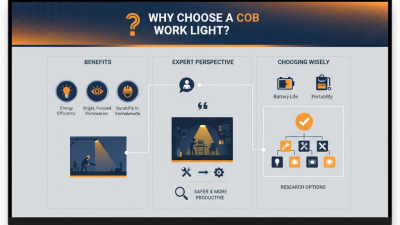
Reliable buying decisions require matching the light to the task, climate, work duration, and purchasing environment. Buyers should verify charging compatibility, spare-part access, packaging quality, and supplier responsiveness before placing large orders. The following selection is intended as a practical reference, not an absolute verdict. It highlights dependable features while acknowledging that field conditions remain unpredictable. Expect useful comparisons, but keep room for independent inspection.
Top 10 Emergency Work Lights for Global Buyers?

What Defines an Emergency Work Light for Global Buyers

Top 10 Emergency Work Lights for Global Buyers
What Defines an Emergency Work Light for Global Buyers

An emergency work light must perform when power, weather, and visibility become uncertain. Brightness matters, but lumens alone can mislead. A useful model should provide stable output, wide beam coverage, and simple controls with gloved hands. Battery runtime should match real tasks, not only laboratory claims. The U.S. Department of Energy reports that LED lighting uses at least 75% less energy and can last up to 25 times longer than incandescent lighting. This efficiency supports longer field operation and fewer battery changes.

Global buyers should examine impact resistance, charging options, and ingress protection. IEC 60529 IP ratings help compare resistance to dust and water, but an IP rating does not prove drop protection. IEC 60598-2-4 also provides requirements for portable general-purpose luminaires. A light used near vehicles may need a magnetic base, hook, or stable tripod. Small details matter. A loose switch can ruin a night repair. However, no specification replaces a practical test. Runtime often falls in cold conditions, and manufacturers may measure brightness differently. That needs honest review.

Tips: Test the light at 0°C and in light rain. Compare useful runtime at medium brightness, not peak output. Check battery replacement rules, plug compatibility, warranty terms, and local certification needs. Keep a spare charging cable. It is easy to overlook.

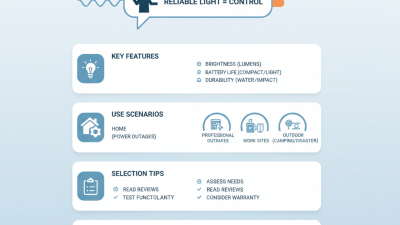
Key Features for Safety, Brightness, Runtime, and Durability

Top 10 Emergency Work Lights for Global Buyers

Choosing the right emergency work light requires more than comparing brightness numbers. In field use, a balanced beam often performs better than extreme brightness. Look for wide flood lighting near equipment and a focused beam for distant checks. Multiple brightness levels also protect battery life. A clear battery indicator prevents unpleasant surprises during late-night repairs.

Safety begins with stable handling. A broad base, strong magnets, and a rotating hook help keep both hands free. Heat-resistant housing matters around engines or warm machinery. Water and dust resistance should match the working environment, not just the product description. Check the documented rating carefully. Marketing language can be vague. I have learned that a light can feel rugged, yet its switch may fail after repeated wet use.

Runtime depends on battery capacity, temperature, brightness, and charging habits. A practical top-ten comparison should record runtime at several settings, not only the lowest mode. USB charging is convenient, while replaceable batteries may suit remote teams.

Choose models with impact-resistant housings and protected charging ports. A dropped light should survive more than one accident. Still, no work light is perfect. Extra protection can increase weight, and the brightest mode may create glare in tight spaces. Test the grip, beam pattern, controls, and charging time before buying in volume.

Top 10 Emergency Work Light Types and Their Best Uses

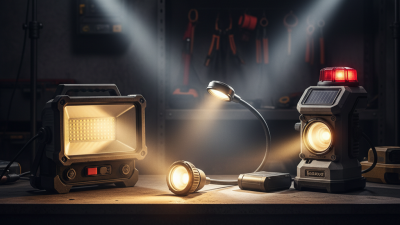
Emergency work lights serve different problems, not one universal job.

A handheld light suits roadside repairs and inspection gaps. A headlamp keeps both hands free inside cabinets or crawl spaces. A magnetic light attaches to steel panels, while a clamp light grips ladders, benches, or pipework. A tripod light spreads illumination across a temporary repair area.

The remaining practical types include lanterns, floodlights, light towers, corded lights, rechargeable lights, and solar-powered lights.

Lanterns provide wide, low-glare lighting during outages. Floodlights cover driveways, loading zones, and damaged building areas. Light towers support larger outdoor work zones. Corded models suit stable sites with reliable power. Rechargeable units fit mobile crews and repeated maintenance. Solar models help remote teams, although cloudy weather reduces their value.

Use measured performance, not bright marketing language.

The U.S. Department of Energy reports that LED lamps use at least 75% less energy and can last up to 25 times longer than incandescent lamps. Runtime still depends on battery age, temperature, and brightness settings.

Check lumens, beam distance, charging time, ingress protection, and color rendering.

A 1,000-lumen floodlight may create harsh shadows in a narrow room. I have seen buyers overlook this detail. The category labels also blur; a rechargeable lantern can function as an area light, but it may not replace a stable tripod system. Safety documentation and regional electrical requirements deserve careful review before purchase.

How to Compare Battery, Charging, Mounting, and Portability Options

Top 10 Emergency Work Lights for Global Buyers?
How to Compare Battery, Charging, Mounting, and Portability Options

Choosing an emergency work light starts with battery behavior, not maximum brightness. A high-capacity battery can extend runtime, but it may increase weight and charging time. Compare tested runtime at several brightness levels. Manufacturers sometimes quote ideal figures. Real workplaces are less forgiving. Cold storage rooms, dust, and repeated switching can reduce performance. A removable battery may help teams replace power quickly. However, replacement availability varies between countries.

Charging design deserves equal attention. USB-C charging is convenient for vehicles, power banks, and office adapters. Check whether the light supports fast charging or only basic input. A clear indicator should show charging status from across a dim room. Some models can operate while charging, but this feature needs careful verification. I would not assume it works safely in every mode. Voltage compatibility and included adapters also matter for international buyers.

Mounting options shape practical usefulness. Strong magnets suit steel cabinets, while hooks help in narrow maintenance spaces. A stable base or tripod fitting supports hands-free inspection. Portability depends on more than size. A light with a handle, sealed controls, and balanced weight is easier to carry with gloves. Water and dust resistance should match the working environment, not marketing language. Weight matters. Before purchasing ten units, test one through a full shift. That small trial may reveal uncomfortable grips, weak magnets, or controls that are difficult to find in darkness.

Global Buying Guide: Standards, Weather Ratings, Pricing, and Supply Factors

Top 10 Emergency Work Lights for Global Buyers

Global buyers should judge emergency work lights by use conditions, not appearance alone. In field inspections, a bright beam often hides weak battery performance. Check recognized test reports, electrical safety documentation, and traceable production records. Requirements differ by destination, so confirm the accepted certification before placing an order. A supplier’s declaration is helpful, but independent laboratory evidence is stronger.

Weather protection matters on construction sites, roads, and outdoor repairs. An IP65 rating can resist dust and water jets, while IP67 offers temporary water immersion protection. Neither rating guarantees impact resistance. Look for an IK rating when lights may fall from ladders. Cold storage can reduce battery runtime sharply. Test samples at the lowest expected temperature.

Pricing usually follows battery capacity, housing material, charging speed, and testing depth. Basic models may suit short maintenance tasks. Higher-priced units often provide longer runtime, emergency flashing modes, replaceable parts, and stronger magnetic bases. Request pricing under the same delivery terms. Otherwise, comparisons become misleading.

Supply reliability deserves equal attention. Ask about minimum order quantities, sample lead times, monthly capacity, spare battery availability, and packaging protection. Confirm whether the supplier can provide consistent color temperature and beam performance between batches. A low quotation may conceal unstable components or delayed shipment. I have seen buyers approve attractive samples, then receive weaker production units. Batch inspection is not excessive; it is a practical safeguard. There is still room for judgment. A light can meet paperwork requirements yet fail beside a wet, vibrating machine.