Why You Should Choose Cob Led Rechargeable Work Light for Your Projects?
The demand for efficient lighting solutions has grown significantly in recent years. According to a recent report from the U.S. Department of Energy, the LED market is expected to reach $75 billion by 2025. Among these innovations, the "Cob Led Rechargeable Work Light" stands out as a versatile option for various projects. Its compact design and powerful illumination make it ideal for both professionals and DIY enthusiasts.
The Cob LED technology ensures high brightness while consuming less energy. Research indicates that LED lights use at least 75% less energy than traditional incandescent bulbs. This translates to longer battery life, especially in rechargeable models. As a result, users can complete tasks with fewer interruptions for recharging, enhancing productivity.
However, despite the clear advantages, some may overlook certain limitations. For instance, the initial cost of high-quality Cob LED lights can be higher. Users may need to adjust their expectations about light intensity versus energy consumption. Overall, choosing the right lighting, like the Cob Led Rechargeable Work Light, can make a significant difference in project outcomes.
Benefits of Using COB LED Technology in Rechargeable Work Lights
COB LED technology offers remarkable advantages for rechargeable work lights. It stands for Chip on Board, a method where multiple LED chips are mounted closely together. This design maximizes light output, providing users with bright illumination while consuming less energy. According to industry reports, COB LEDs can be up to 50% more efficient than traditional lighting methods. This efficiency translates into longer battery life, crucial for professionals working on extensive projects.
The ruggedness of COB LED lights is another noteworthy feature. They typically withstand harsh environments better than regular bulbs. This durability is important for construction sites or outdoor tasks where accidents can occur. Moreover, the uniform light distribution minimizes shadows, ensuring visibility where you need it most. Statistics show that proper lighting can enhance productivity by 20% in various work environments.
Despite these benefits, user feedback often highlights the need for better heat management in some models. Overheating can reduce the lifespan of the LED components. This feedback indicates room for improvement. Also, while many rechargeable work lights offer great brightness, their size and weight can be limiting in specific applications. Balancing portability and efficiency remains a challenge, emphasizing the importance of ongoing innovation in this field.
Comparative Analysis: COB LED vs. Traditional Lighting Solutions
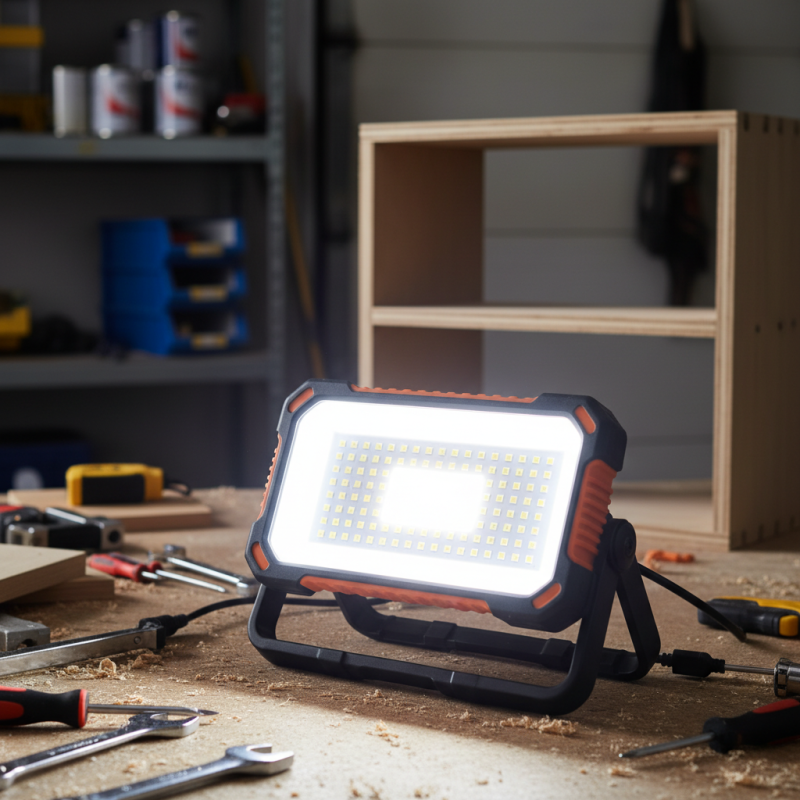
When it comes to work lights, comparing COB LED to traditional options reveals stark differences. COB LED lights provide a uniform illumination. This eliminates dark spots and the annoying glare common with traditional bulbs. Their compact design allows easy placement in tight spaces. Whether you’re working under a sink or in a crowded garage, these lights are versatile.
COB LED lights consume less energy and last longer. A traditional bulb might burn out quickly under constant use. In contrast, COB LEDs can shine bright for thousands of hours. This results in fewer replacements. However, some may find the initial cost higher. It's worth considering the long-term savings on energy and replacements.
Tips: When selecting a work light, prioritize brightness and battery life. Ensure it can withstand harsh conditions if you're working outdoors. Portable options with strong handles enhance usability. Always check the lumens rating for brightness comparison. Remember, your workspace deserves the best light for safety and efficiency.
Energy Efficiency: Understanding Wattage and Lumens in COB LEDs
When choosing a work light, energy efficiency is crucial. COB LEDs, or Chip-on-Board technology, offer impressive wattage and lumens. These lights produce more brightness while using less energy. For instance, a COB light with 10 watts can emit around 1000 lumens. This efficiency means you can work longer without worrying about battery life or power consumption.
Understanding wattage and lumens helps in making smart choices. Higher lumens mean brighter light, but it’s essential to balance that with wattage. Some users overlook this. Too much brightness can lead to glare, making tasks harder instead of easier. Finding the right level of illumination is vital. Aim for enough light to ensure safety and visibility without overwhelming brightness.
Consider your project needs. Different tasks require varying brightness levels. A detailed study of light output could be beneficial. Unfortunately, many don’t take the time. Testing different setups can reveal optimal brightness and efficiency. Reflections on this can help improve future projects, ensuring both performance and conservation are prioritized.
Portability and Design: Key Features of Rechargeable Work Lights
When tackling projects, portability and design play crucial roles in choosing a work light. Many opt for rechargeable options due to their versatility. They are compact, lightweight, and easy to carry around. This makes them ideal for work sites where mobility is essential.
The design of these lights often includes adjustable stands or hooks. Such features allow for hands-free operation. You can hang them or position them as needed. However, not all lights are created equal. Some may lack sufficient brightness or battery life. It's important to assess these factors before making a choice.
In addition, many rechargeable work lights enable various lighting modes. These can save energy and extend usage time. Yet, users sometimes forget to charge them in advance. This can lead to frustrations right when the task begins. Overall, a thoughtful selection can enhance productivity and ease during projects.
Durability and Longevity: How COB LED Lights Outlast Competitors
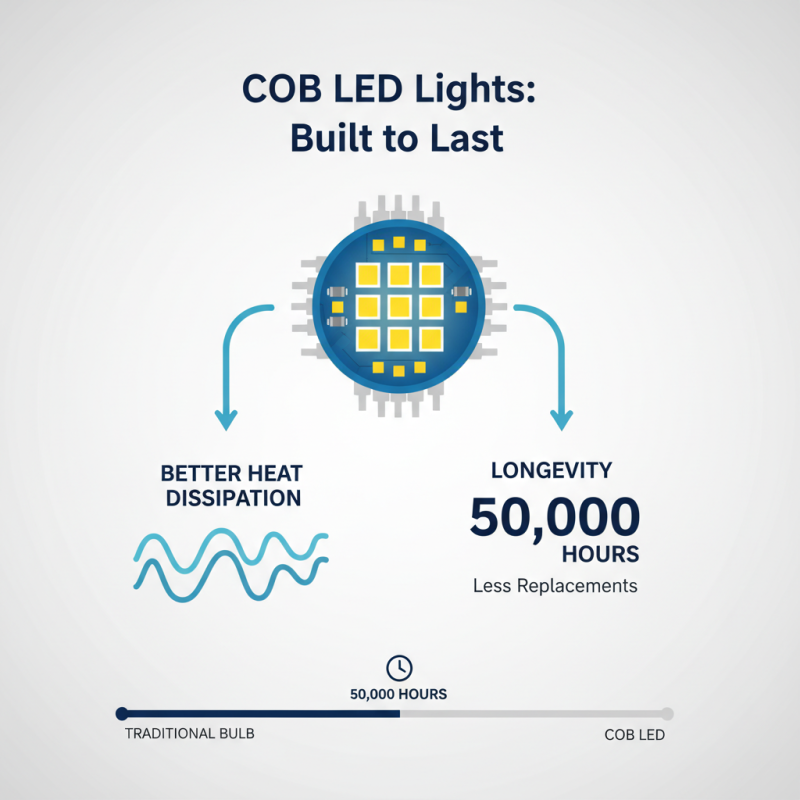
COB LED lights are popular for their durability and longevity. Unlike traditional bulbs, COB (Chip on Board) technology allows for better heat dissipation. This means that COB LED lights can operate longer without risk of overheating. According to a recent industry report, COB LEDs can last up to 50,000 hours. This longevity reduces the need for frequent replacements.
The robust design of COB LED lights makes them ideal for tough work environments. They can withstand impact and vibrations better than conventional lighting options. A study noted that these lights can meet military standards for durability. However, not all products on the market deliver the same quality. Some cheaper alternatives may lack the necessary resilience and efficiency. This variability means consumers must do their research before making a purchase.
In terms of energy efficiency, COB LEDs consume less power than traditional lights. They convert over 90% of energy into light and only a small fraction into heat. This efficiency translates into lower electricity bills over time. Yet, some people may overlook the initial investment cost. They might choose cheaper options, only to face higher replacement costs. Balancing upfront costs with long-term savings remains a challenge for many.