What is a Waterproof Headlamp and How Does It Work?
Waterproof headlamps have become essential tools for outdoor enthusiasts and professionals alike. They provide hands-free illumination in challenging conditions. Whether you’re hiking in the rain or working in wet environments, these devices are designed to resist moisture. A waterproof headlamp ensures your safety and enhances visibility.
Understanding how these headlamps work can help users appreciate their value. Most models come with a durable casing that protects the internal components from water damage. They often feature adjustable brightness levels and beam distances. This versatility allows for tailored lighting options based on your needs.
However, choosing the right waterproof headlamp can be tricky. Users must consider factors like battery life and weight. Often, what seems perfect at first may not perform well in real scenarios. It’s crucial to reflect on personal experiences before making a decision. Overall, a waterproof headlamp is a reliable companion for anyone facing the elements.
What is a Waterproof Headlamp?
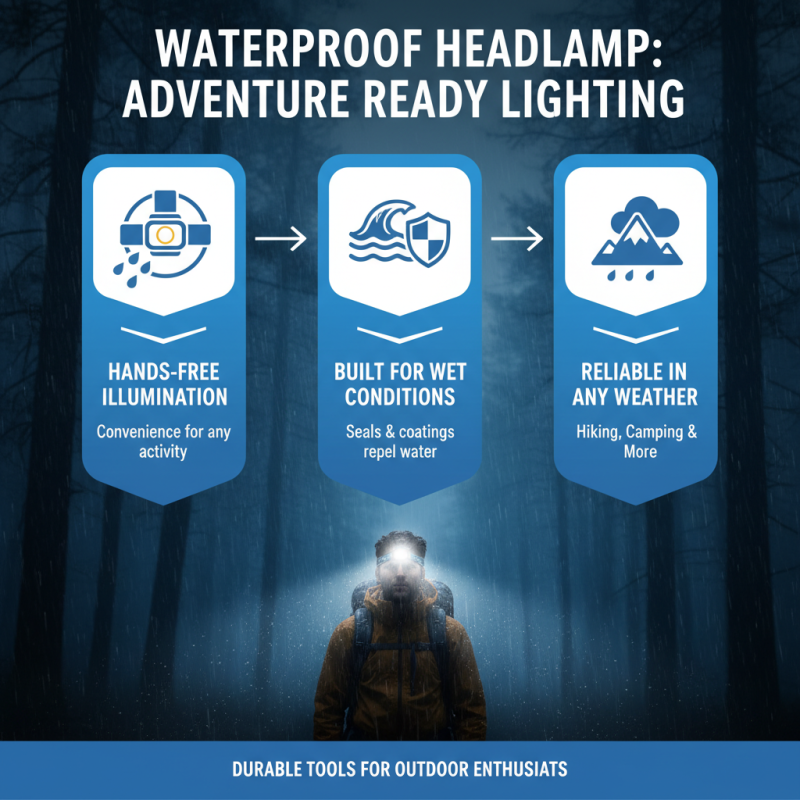
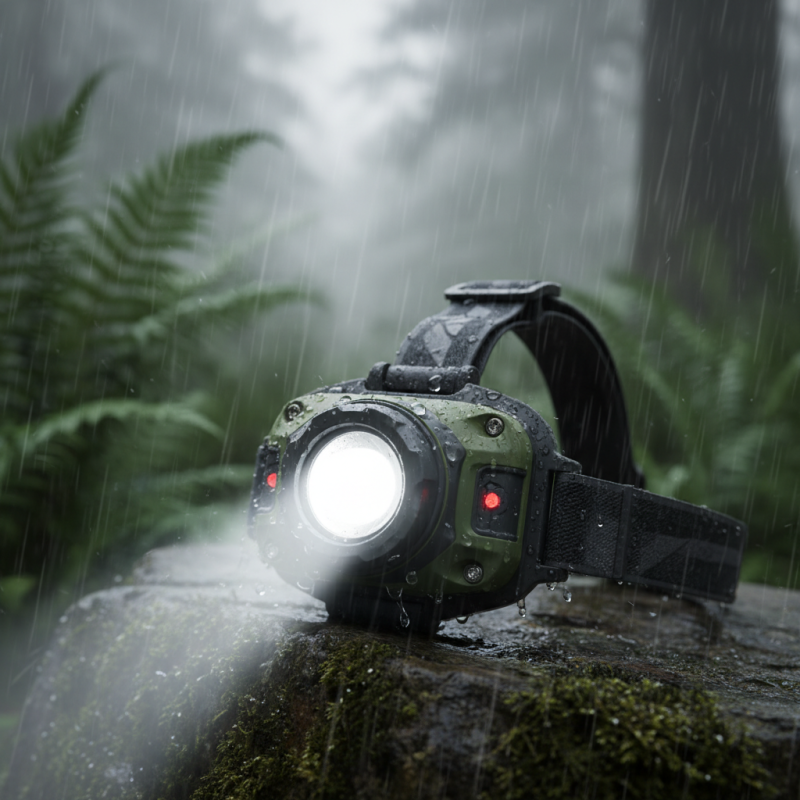
Waterproof headlamps are essential tools for outdoor enthusiasts. These devices combine the convenience of hands-free lighting with the ability to withstand wet conditions. Made with durable materials, they often have seals and coatings that prevent water from entering the housing. This feature makes them reliable for hiking, camping, or any activity in unpredictable weather.
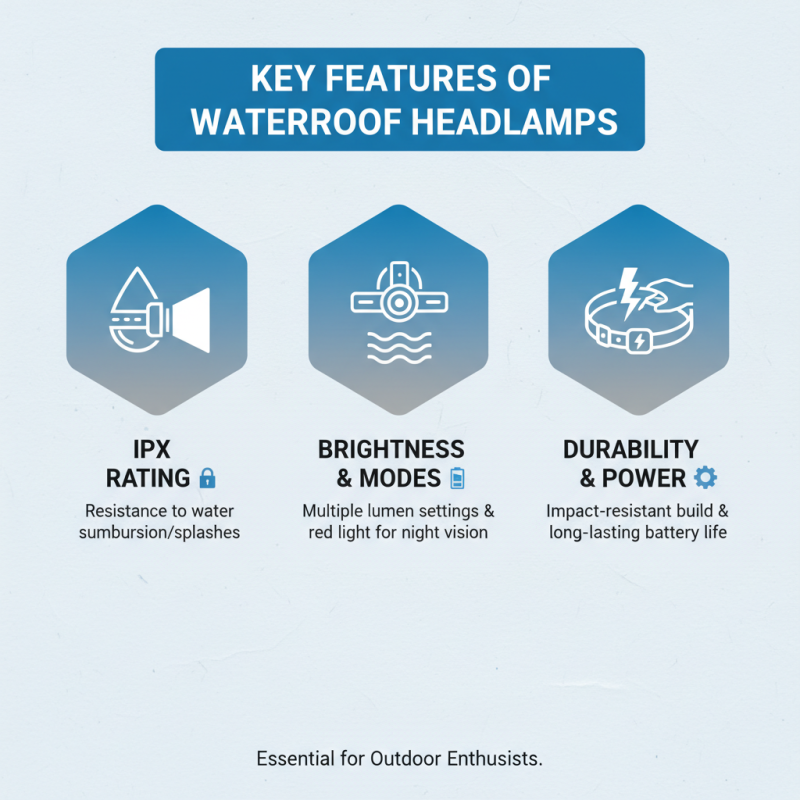
Understanding how a waterproof headlamp works can enhance your outdoor experience. Typically, these headlamps use LED bulbs that are energy-efficient and provide bright illumination. The construction includes a waterproof rating, usually measured in IPX, which indicates resistance to water. A common rating is IPX4, meaning it can handle splashes from any direction. This level of protection is crucial, yet it may not guarantee complete submersion.
Many users overlook the importance of proper care for their headlamps. After exposure to water, it’s vital to dry them thoroughly. Not doing so can lead to corrosion or malfunction over time. Despite their ruggedness, all waterproof headlamps require regular maintenance to ensure longevity. Users sometimes forget to check battery levels, which can lead to unexpected darkness. Being proactive about maintenance can greatly extend the life of these handy devices.
Key Features of Waterproof Headlamps
Waterproof headlamps are essential for outdoor enthusiasts. They provide reliable illumination in wet conditions. When choosing a waterproof headlamp, several key features stand out.
The Ingress Protection (IP) rating is crucial. A headlamp with an IPX4 rating can withstand splashes of water from any direction. For those needing more durability, an IPX7 rating ensures functionality even when submerged in water for short periods. According to industry standards, over 60% of users prioritize waterproofing for outdoor activities. This feature enhances usability in unpredictable weather conditions.
Battery life is another essential consideration. Many waterproof headlamps now offer up to 200 hours of illumination on low settings. This is vital for prolonged adventures. Additionally, weight and comfort cannot be overlooked. A headlamp should be lightweight, allowing extended wear without discomfort. Ergonomics play a significant role in user satisfaction. Research shows that nearly 30% of users report discomfort with poorly designed models. A well-designed headlamp can improve the overall outdoor experience, making it easier to navigate in dimly lit environments.
How Waterproof Headlamps Are Tested and Rated
Waterproof headlamps are essential for outdoor enthusiasts. They provide reliable light in wet conditions. To ensure safety and performance, these headlamps undergo rigorous testing and rating processes.
Testing involves various methods to assess water resistance. Immersion tests are common. Headlamps are submerged in water for specific durations. The depth of the water also plays a role. Ratings are often based on the Ingress Protection (IP) standard. An IPX rating indicates how well it withstands water. Higher ratings mean better protection against moisture.
Waterproof headlamps can fail under certain conditions. For instance, continuous exposure to saltwater may cause damage. Users should check seals and gaskets regularly. This maintenance is crucial for long-term use. Understanding the rating system enhances decision-making. It helps users choose the right headlamp for their needs.
What is a Waterproof Headlamp and How Does It Work? - How Waterproof Headlamps Are Tested and Rated
| Feature |
Description |
Water Resistance Rating |
| IP Rating |
Indicates the degree of protection from solid objects and water. |
IPX4, IPX6, IPX8 |
| Testing Method |
Headlamps are tested by exposing them to water under specific conditions. |
Submersion, Spray, Dripping |
| Typical Applications |
Ideal for hiking, camping, and fishing in wet conditions. |
Outdoor Activities |
| Battery Life |
Battery life can vary based on brightness settings and waterproof features. |
8-40 Hours |
| Weight |
Lightweight design for comfortable use during extended periods. |
200-400 grams |
The Technology Behind Waterproof Headlamps
Waterproof headlamps are designed using advanced technology to function in wet conditions. To achieve this, manufacturers utilize materials like high-grade plastics and special seals. These components prevent water from entering the lamp. The waterproof rating often is indicated by an IPX code. Most reliable models have an IPX4 rating or higher, ensuring they can withstand rain or splashes.
The light source in waterproof headlamps is typically LED. LEDs are energy-efficient and provide bright, focused beams. Many waterproof headlamps also include a rechargeable battery. This feature reduces waste and enhances convenience. Some users complain about battery life in certain models, leading to frustration during extended use.
Reflectors and lenses optimize the light output. These ensure that the beam covers a wide area and illuminates far ahead. However, achieving the perfect focus can be challenging. Users may find specific models promising but not delivering adequate light under heavy rain. The interplay of technology and practical use in waterproof headlamps requires careful consideration. Experimentation with different models can lead to better performance in various environments.
Common Uses and Applications of Waterproof Headlamps
Waterproof headlamps have become essential tools for outdoor enthusiasts and professionals alike. Their primary applications include hiking, camping, and emergency situations. According to recent industry studies, about 45% of outdoor adventurers prefer waterproof headlamps due to their added versatility in wet conditions. They provide hands-free illumination, allowing users to navigate difficult terrain or complete tasks in dark, damp environments.
In addition to outdoor activities, waterproof headlamps are valuable in industrial settings. A report by the Occupational Safety and Health Administration highlights that adequate lighting reduces workplace accidents. Therefore, waterproof headlamps are utilized in construction sites and maintenance tasks. They are designed to ensure reliability, even in the harshest conditions, reinforcing their importance in various sectors.
Tips: Always check the waterproof rating before use. Most headlamps are rated IPX4 or higher for protection against splashes. Consider using a headlamp with adjustable brightness settings. This can help conserve battery life during prolonged use. Remember that maintenance is critical. Clean your headlamp regularly to ensure optimal performance, especially after exposure to wet or muddy environments.
Waterproof Headlamp Usage Across Different Activities