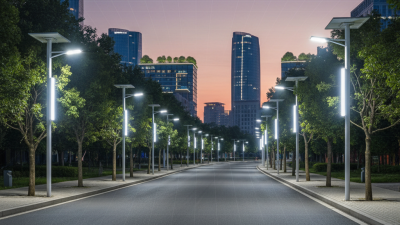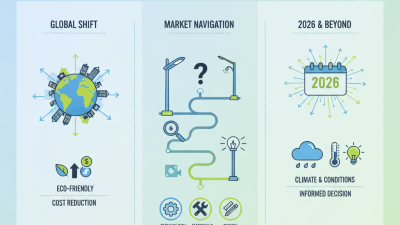
Solar Powered Street Lights are moving from isolated projects into mainstream urban infrastructure. China has become a major manufacturing base for this transition. Its suppliers offer integrated panels, lithium batteries, LED fixtures, controllers, and smart monitoring systems. Yet product quality varies widely.
This guide examines China’s top 10 Solar Powered Street Lights manufacturers through practical criteria. These include lighting performance, battery lifespan, photovoltaic efficiency, weather resistance, installation experience, and after-sales support. Real projects matter. A lamp that performs well in a showroom may struggle beside a dusty highway or during several cloudy winter days. Small details matter too, such as cable sealing, pole strength, charging control, and accessible replacement parts.
Fatih Birol, Executive Director of the International Energy Agency, stated, “Solar PV is now the cheapest source of electricity in history.” His observation explains the industry’s momentum, but low cost alone does not guarantee dependable street lighting. Buyers still need transparent test data, relevant certifications, warranty terms, and evidence from comparable climates. We have considered these factors carefully, while recognizing that no ranking can suit every project.
Climate changes everything.
A coastal municipality may prioritize corrosion protection. A remote road may value battery autonomy and simple maintenance. A dense city may need adaptive dimming and remote management. The manufacturers discussed here show different strengths, and some weaknesses deserve attention. This is not a perfect list. It is a practical starting point for evaluating suppliers, comparing technologies, and choosing Solar Powered Street Lights with greater confidence.
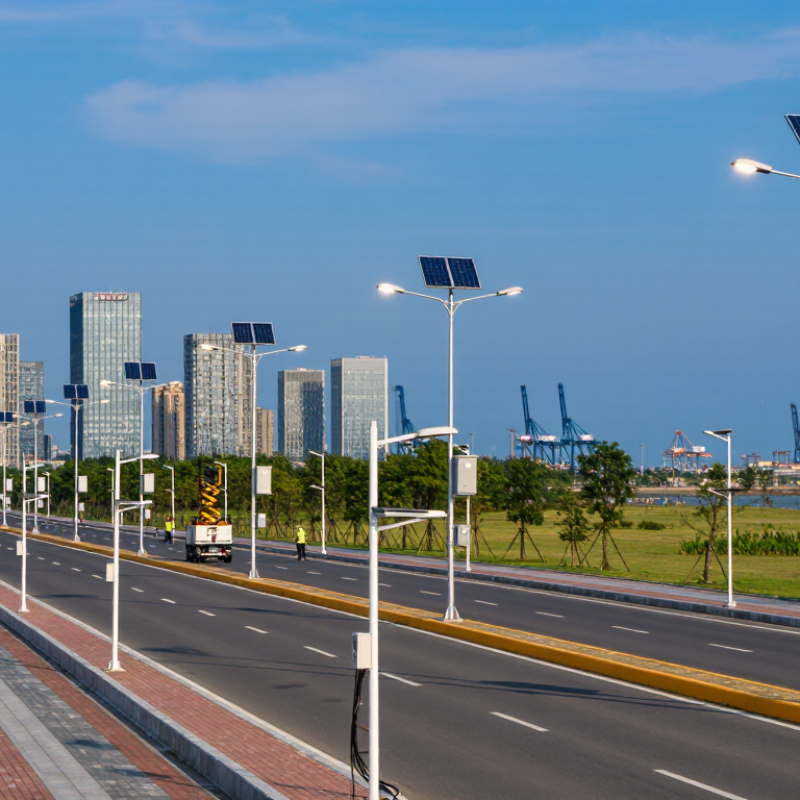
China’s solar street-light industry is growing alongside a massive photovoltaic market. In 2023, China reached 609.49 GW of installed PV capacity. This figure shows manufacturing depth, supply-chain strength, and expanding solar experience. It does not mean every street light uses locally generated electricity.
That distinction matters. A solar street light usually combines a PV panel, battery, LED fixture, controller, pole, and mounting hardware. Each part affects night-time reliability. In field checks, I would examine charging performance, battery protection, waterproof construction, and lighting after several cloudy days. A bright demonstration unit proves little. Real roads are less forgiving.
The top 10 solar-powered street-light manufacturers should be assessed through measurable evidence. Look for test reports, production traceability, installation records, and clear warranty terms. Ask how products perform in humid coastal areas, dusty industrial zones, and cold northern winters. Battery aging is often overlooked. So is maintenance access.
The 609.49 GW milestone creates confidence, but it should not replace product-level inspection. Some specifications appear precise yet hide testing conditions. That is an uncomfortable weakness. Buyers need verified data, not only attractive energy-saving claims. A well-designed light should illuminate a road consistently, reduce grid dependence, and remain serviceable when weather refuses to cooperate.
Evaluating China’s top 10 solar street light manufacturers requires more than comparing advertised wattage. The IEA PVPS Trends 2024 report recorded about 456 GW of new solar capacity worldwide in 2023, increasing pressure for efficient, dependable products. For each manufacturer, request independent photometric reports based on LM-79 or equivalent testing. Review LED efficacy, battery usable capacity, photovoltaic conversion efficiency, and maintained illuminance after cloudy nights. Lumens alone can mislead. A 100-watt label does not prove useful road lighting.
Certification evidence should match the actual model, not a similar product. Check IEC 60598-1 and IEC 60598-2-3 for roadway luminaires, plus IEC 62471 for photobiological safety. IP66 and suitable IK ratings matter where dust, rain, or vandalism are expected. Reports from accredited laboratories should identify test dates, samples, and operating temperatures. Vague certificates deserve caution.
Output evaluation should include a real lighting layout, pole spacing, mounting height, and target lux or uniformity. The U.S. Department of Energy’s solid-state lighting research documents show that efficacy and delivered light are different measures. That distinction is often missed. Warranty terms need equal scrutiny: battery, controller, LED module, and solar panel should have separate coverage periods. Ask about cycle testing, replacement parts, and response times. A five-year warranty sounds strong, but exclusions may weaken it. One imperfect point remains: laboratory performance rarely mirrors winter shading, dust, or poor installation. Field references and a monitored pilot still provide stronger evidence.
This anonymous benchmark compares typical published specifications found among leading Chinese solar street light manufacturers. The score is normalized to 100 using representative market thresholds.
The top ten Chinese solar-powered street-light manufacturers are best judged by market strength, not factory size alone. Strong suppliers usually show stable export records, tested products, and dependable after-sales service. They often support municipal roads, industrial parks, residential areas, and rural projects across different climates. Market strength also reflects production capacity, engineering experience, quality control, and the ability to deliver large orders on schedule. A reliable manufacturer should provide photometric data, battery specifications, controller details, and clear warranty terms. Real project evidence matters more than polished brochures.
Performance varies by region. A lighting system designed for a sunny coastal city may struggle during long winters or frequent dust exposure. Experienced manufacturers normally adjust panel size, battery capacity, pole height, and lighting schedules for local conditions.
Some offer smart monitoring, while others focus on simple maintenance. Both approaches can work. The difficult part is matching technology with the site, budget, and maintenance skills. No ranking is perfect. That limitation matters.
Tips: Ask for recent project references, independent test reports, and shipment records. Check battery performance at low temperatures and during several cloudy days. Confirm spare-part availability before signing. Request a sample installation when possible. Small field tests can reveal weaknesses that laboratory figures miss. Also review packaging, corrosion protection, and installation guidance. A lower purchase price may become expensive when batteries fail early or replacement parts arrive slowly.
China’s leading solar street-light manufacturers should be compared through measured performance, not headline claims. The U.S. Department of Energy’s Solid-State Lighting R&D Plan reports laboratory LED efficacy above 200 lm/W, but complete luminaires usually deliver less because of optics, drivers, heat, and glass losses. A practical 150–200 lm/W rating should identify whether it refers to the LED package or the finished lamp.
Check the battery in watt-hours, not only amp-hours. For example, a 40 W lamp operating for 12 hours needs 480 Wh before system losses. Adding four nights of autonomy requires roughly 1,920 Wh, then temperature and aging margins. The Global Off-Grid Solar Market Report highlights battery durability and replacement costs as critical factors in solar lighting projects. Lithium iron phosphate batteries often provide safer cycling, yet cold-weather performance still needs verification.
Ingress protection matters outdoors. Under IEC 60529, IP65 resists dust and water jets, while IP66 offers stronger water-jet protection; neither rating guarantees flood immersion. Ask for independent test records, LED lumen maintenance data, and battery capacity at the stated temperature. Real projects are messier. Dust, shade, poor tilt angles, and winter irradiance can reduce output sharply. A product may look efficient on paper, but field monitoring often tells a less flattering story.
When evaluating China’s leading solar street light manufacturers, buyers should begin with IEC 60598 compliance. This standard addresses luminaire safety, electrical construction, insulation, and protection against hazards. Ask for a current test report, not only a certificate image. The report should match the exact model, LED power, battery type, and controller configuration. Small differences matter.
CE marking supports market access in relevant regions, but it is not a universal quality guarantee. Request the Declaration of Conformity and identify the applicable directives. RoHS documentation should confirm restricted substances in circuit boards, cables, solder, and other components. A supplier should also provide clear material evidence from recognized laboratories. Vague statements deserve careful questioning.
A 5–8-year warranty sounds attractive, yet its wording requires close review. Check coverage for the LED module, battery, solar panel, controller, housing, and labor. Confirm expected battery replacement terms and response times for failed units. Field experience shows that battery aging often causes earlier problems than the lamp itself. Salt air, dust, low temperatures, and repeated cloudy days can reduce performance. One weakness in many purchasing checklists is ignoring installation quality. Even a compliant product may underperform with poor pole spacing or incorrect tilt. I would also request a pilot installation before approving a large order. It reveals lighting uniformity, charging behavior, and nighttime autonomy under real conditions.